The Short List
| If you haven’t read a book in years… | Red Rising (Brown) |
| If you want magical fantasy… | Mistborn (Sanderson) |
| If you want modern sci-fi… | The Three-Body Problem (Cixin) |
| If you want classic sci-fi… | Dune (Herbert) |
| If you want fast-paced fun… | Dungeon Crawler Carl (Dinniman) |
| If you want short stories… | Hyperion (Simmons) |
| If you want a thrilling, real-life adventure… | Into Thin Air (Krakauer) |
Reviews
Thoughts about the books that I have read over the years. They are in no particular order, and there aren’t any major spoilers.
|
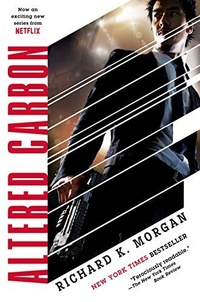
Altered Carbon(Takeshi Kovacs, Book 1)Richard K. MorganI really liked the core mechanic of this book- a person's mind can be detached from their original body and can be uploaded into another. People enter into military contracts where their minds are transmitted across the galaxy and put into expendable bodies used to fight wars. Wen they die, they can be placed into another body and repeat. The main character is a mercenary/detective version of this. My one criticism of this story is that the ending seems to come out of nowhere. It reads like the author was enjoying telling a story and then had to abruptly end the book in like 50 pages. Overall, it was an enjoyable read, and I can see why they made a Netflix television series based on this. Rating: 8/10 1 |
|
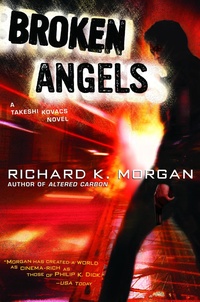
Broken Angels(Takeshi Kovacs, Book 2)Richard K. MorganDefinitely a big step down from the first book in the series. The writing style is completely different. The plot of this one is a mess, and it's littered with gratuitous sex and torture scenes. I also never really got into the main premise of the book which revolved around an archaeological dig of an ancient Martian spaceship. It just didn't fit the super hi-tech society they were currently living in. Rating: 4/10 2 |
|
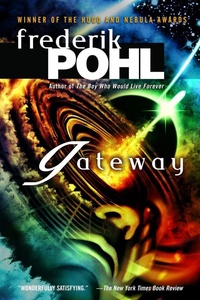
Gateway(Heechee Saga, Book 1)Frederik PohlI really like the premise of this series. Humanity has discovered lost spaceships from a previous advanced society. The spaceships still function, but the builders no longer exist. Humans are unable to direct the ships. However, humans can go into the ship, hit a button, and the autopilot will take the ship to an unknown destination and back. There are brave human prospectors who group up or go solo into these ships and see where the autopilot takes them. The prospectors get paid based on how much science knowledge they can collect, and lucky ones can even bring back physical artifacts. However, there is a risk that the autopilot brings them to a location that is uninhabitable to humans, and they just end up dying out in space somewhere. This series hasn't really aged well. It's written like 70s-style sci-fi. The author spends a lot of time on psychoanalysis of the main character and not a lot of time on plot. Rating: 7/10 3 |
|
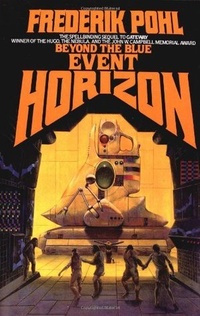
Beyond the Blue Event Horizon(Heechee Saga, Book 2)Frederik PohlHumanity continues to discover more technology from the lost advanced civilization named the Heechee. They find a food factory spaceship with strange dream chambers. They also find digitized AI minds of the beings of the lost civilization, the Old Ones. There is a digitized mind that is still responsible for controlling the ship, and I enjoyed his story arc with the humans. Rating: 6/10 4 |
|
Heechee Rendezvous(Heechee Saga, Book 3)Frederik PohlThis book follows a Heechee patrol ship that decides to make contact with the humans. Humanity discovers that the Heechee are still alive and are hiding out in space somewhere. Rating: 5/10 5 |
|
The Annals of the Heechee(Heechee Saga, Book 4)Frederik PohlThe conclusion to the Heechee saga. You find out where the Heechee are, why they are there, and ultimately resolve the Heechee problem. Rating: 5/10 6 |
|
Consider Phlebas(Culture, Book 1)Iain M. BanksI don't remember much about this one except for the crazy, over-the-top island section. It comes out of nowhere and seems to be some sort of manifestation of the author's weird fetishes. Barring this part, the rest of the work was entertaining. Rating: 5/10 7 |
|
The Player of Games(Culture, Book 2)Iain M. BanksThis has a unique story. There is a society where all the political power is determined by playing a complex strategy game. The protagonist, who is an outsider to this society but also happens to be a renowned player of games, is tasked with learning this game and infiltrating the government. The final showdown at the end is a very cool sequence. Rating: 8/10 8 |
|
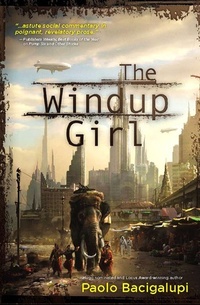
The Windup GirlPaolo BacigalupiFuturistic society, heavy with advanced biotechnology, bio-based energy sources, and genetic engineering. The story follows a spy who is trying to infiltrate the government. He discovers a windup girl, a human who has been genetically modified to be a servant companion. Windups are illegal and are destroyed when found, but the spy keeps her a secret. I really like the creative world building of this one. Rating: 8/10 9 |
|
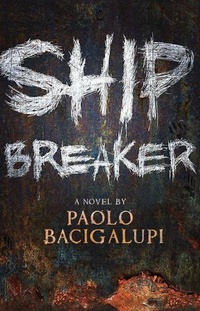
Ship BreakerPaolo BacigalupiEntertaining young adult novel about a boy who lives on a ship salvage beach and earns money by stripping the ships of valuable materials. It is set in a post-apocalyptic Earth, so there's a lot of class strife, financial struggles, and survival hardship. The world built around ship salvaging is very creative. Rating: 7/10 10 |
|
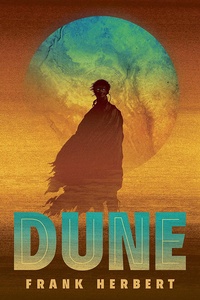
Dune(Dune, Book 1)Frank HerbertBy far, my favorite book in the Dune series. One of the major themes of this book is that speech can used as a force to control people, as a magical power. The dialogue throughout the book is very crisp and matches the importance of speaking the right words. Another thing that impressed me was that the author was able to do an insane amount of world-building as well as have a compelling plot where a lot of stuff happens. Definitely worth the read. Rating: 9/10 11 |
|
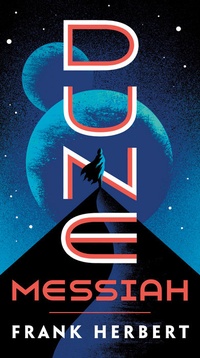
Dune Messiah(Dune, Book 2)Frank HerbertThis is actually my least favorite Dune book. I wasn't a fan of the direction the author took the main character- I understand it, but I don't like it. I felt like this book was just a setup piece for future books and that not a lot happened. Also, the author changed his writing style for this one. He focused more on building the world for a future story, so the crisp dialogue that was present in the first book no longer appears anymore. Rating: 3/10 12 |
|
Children of Dune(Dune, Book 3)Frank HerbertI enjoyed this book because things actually happened. This is the book where the story really starts to go off the rails, and I can see why many readers stop after this one. There is a good story arc with Alia. But the ending is crazy and seems to come out of nowhere. Rating: 7/10 13 |
|
God Emperor of Dune(Dune, Book 4)Frank HerbertThis book is a 3500 year jump from the previous. It's a very different book than any other in the series. It follows the God Emperor, who was created at the end of the previous book, and shows what he has learned over the last thousands of years of his rule. He causes the Scattering- an expansion of the factions at play in the universe which sets the story up for future books. Rating: 7/10 14 |
|
Heretics of Dune(Dune, Book 5)Frank HerbertThe Honored Matres show up to the Dune universe and start destroying planets. The new main character, Duncan Idaho, goes on an adventure to defeat these new enemies with the help of the Bene Gesserit Mothers. This is the book that introduces the magical, sexual powers of control. To me, this is a bit weird and seems completely unnecessary to the story. Cool ending sequence. Rating: 6/10 15 |
|
Chapterhouse: Dune(Dune, Book 6)Frank HerbertThe Bene Gesserit execute a plan to defeat the Honored Matres. Through their fight with the Matres, the Mothers learn about their weaknesses and transform themselves into a much stronger sisterhood. Overall, I enjoyed the plot of this book, and it had a good ending. Rating: 6/10 16 |
|
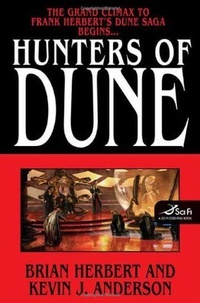
Hunters of Dune(Dune, Book 7)Brian Herbert, Kevin J. AndersonThere is a final "great enemy" that is threatening the world of Dune. Duncan Idaho and others must figure out who this enemy is and how to stop them. The plot goes all over the place, and a lot of threads end up being unimportant. Rating: 5/10 17 |
|
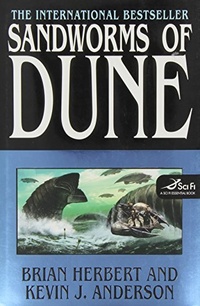
Sandworms of Dune(Dune, Book 8)Brian Herbert, Kevin J. AndersonAh yes, this is the ultimate conclusion to the Dune series. Unfortunately, the authors decided to make the finale characters be from the prequel novels, so if you have only read the main Dune series and none of the extended universe books, you won't understand who these characters are. I still understood what was going on, and I did enjoy the ending they came up with, but getting there was quite tedious. The authors spent hundreds of pages bringing back gholas of the important characters from the first book, but none of that was important in the end. Rating: 5/10 18 |
|
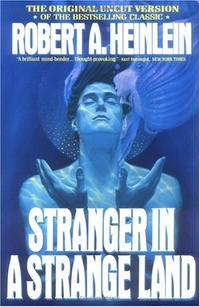
Stranger in a Strange LandRobert A. HeinleinThis is about a human male who was raised by Martians, so he knows nothing about human society. He is then taken back to Earth where he becomes a spectacle and a celebrity. I don't understand why so many sci-fi books from the 1960s turned into weird sex cult novels. This book starts out with an interesting premise, but the plot doesn't really go anywhere, and halfway through it morphs into a hippie commune sex cult thing. Rating: 3/10 19 |
|
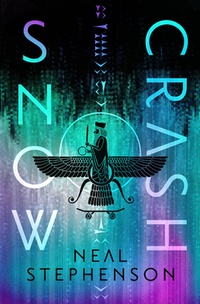
Snow CrashNeal StephensonThe author has great creative skill at making unique, cool techno-driven worlds, but much less so a coherent plot! I really liked the world building of this one- the techno concepts are super wacky. However, the plot is just a sequence of 90 degree turns that is hard to follow and seems to veer off randomly. Though, the ending sequence is awesome. But getting there is rough. The story follows a pizza delivery driver who spends most of his free time in the metaverse. There is a new virus being spread that infects you in the metaverse but can also harm you in real life. The main character must track down the source of this and stop it. Rating: 6/10 20 |
|
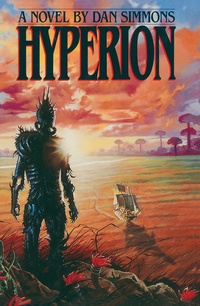
Hyperion(Hyperion Cantos, Book 1)Dan SimmonsThis is essentially a collection of short stories that tell the backstory of each major character in the book. The short stories are fantastical, creative, and unique. Each is better than the previous. The world building of this blew my mind. The characters are all traveling together to the Time Tombs, structures that are guarded by a creature known as the Shrike. This book sets up the characters but ends before they reach the Shrike. Rating: 10/10 21 |
|
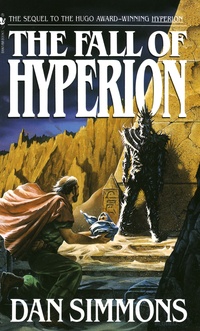
The Fall of Hyperion(Hyperion Cantos, Book 2)Dan SimmonsVery different than the first book. This book explains the larger universe that events are happening in. Humanity has become a very technologically advanced, spacefaring people who are spread out over thousands of planets. There is a quiet battle happening between the human empire and the AI minds. Both sides try to take advantage of the strange time-traveling powers surrounding the Shrike to quell the other. Rating: 8/10 22 |
|
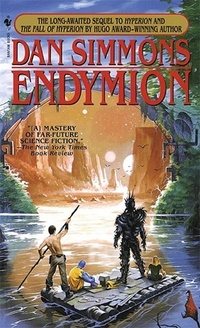
Endymion(Hyperion Cantos, Book 3)Dan SimmonsThis is the start of the second Hyperion story arc. Hyperion books 1 and 2 should be read as a set, and then books 3 and 4 should be read as the subsequent set. They are different stories, set in the same universe but separated by a few hundred years time jump. This book follows a new main character, and it is quite similar to book 1 in that it is a sequence of mini-adventures. The main character is a fugitive and hops from place to place trying to escape capture. Rating: 7/10 23 |
|
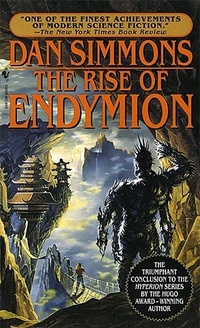
The Rise of Endymion(Hyperion Cantos, Book 4)Dan SimmonsI really enjoyed the Hyperion series as a whole- extremely creative and unique world building, interesting characters, cool techno powers. But the ending of book 4 is meh. Good grief. Rating: 5/10 24 |
|
A Fire Upon the Deep(Zones of Thought, Book 1)Verner VingeThis book is somewhat hard to understand in the beginning because the author describes things from the perspective of a non-human creature that has a very different view of the world than a human would have. But once you get this, the story really opens up. The author cleverly creates a society around these non-human creatures, and the story follows what happens when the human world collides with this world. If you are a dog person, you'll really like this one. Rating: 7/10 25 |
|
A Deepness in the Sky(Zones of Thought, Book 2)Verner VingeThis is a prequel to A Fire Upon the Deep, but there is basically no connection between the two books. This book explores the interaction between humans and a spider-like species. I don't remember much from this one. Rating: 5/10 26 |
|
Childhood's EndArthur C. ClarkeThi is my least favorite sci-fi book. Nothing happens in the story. It is purely a philosophical thought piece for a strange psychic power-like evolution of human children. The finale of the book is just tedious. The upside is that the book is quite short. Rating: 1/10 27 |
|
Deep WorkCal Newport(Nonfiction) This book explains the importance of deep work- long periods of uninterrupted, focused concentration on a particular task. Being able to perform deep work is becoming increasingly difficult in today's society, and those with the ability to do it have an advantage. I don't remember much from this book, but the premise seems pretty obvious. The author does provide interesting case studies and concrete ways of improving your ability to work deeply. I didn't get too much out of this, but it would probably be helpful to others. Rating: 5/10 28 |
|
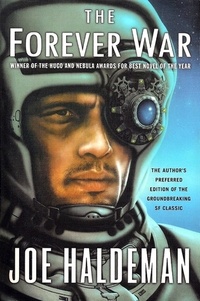
The Forever WarJoe HaldemanThis is a story about a group of soldiers from Earth who are currently living in a faraway galaxy fighting in a war against an alien race. I'm pretty sure this book was written as an allegorical criticism of the Vietnam War. When you read this book, the author's opinions on that war become obvious. One of the major lessons I took away from this book is that when you are fighting a war in space, you have to keep in mind that space is massive. If your ship is light years away from Earth, it takes years of time for news to travel to you. So humans and the aliens could have signed a ceasefire agreement years and years ago, but since it takes so long for news to transmit through space, the soldiers will still be off in space fighting a war that's already over. Another poignant parallel to real world war that comes from this book is the frenzy drug. The soldiers are forced to take a drug that clouds their mind and their vision but makes them ultra-aggressive. They then go slaughter alien villages on alien planets. The main character muses that these are just innocent creatures they are killing, that they pose no threat to them at all, and he has no idea why they are killing them. I found the ending funny in that the author makes a prediction on how Earth can overcome the dooming overpopulation crisis- humanity transforms into a homosex society where all births are regulated. This book was published in 1974, and since then, humans have actually reversed the increasing population trend. A big downside of this book, unfortunately, is that it is very rapey against women. This part is logically realistic, but I wish it weren't included. Rating: 9/10 29 |
|
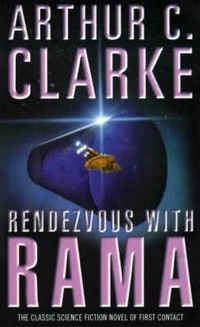
Rendezvous with RamaArthur C. ClarkeThis is a dry, logically descriptive formula for how humanity would deal with the discovery of an alien space ship. It's like the author is trying to write a manual for first contact. Not much happens in the story, but I still found this book fascinating. Rating: 8/10 30 |
|
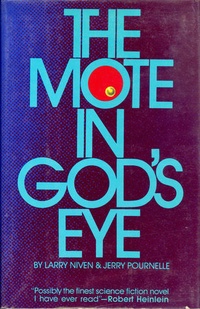
The Mote in God's Eye(Moties, Book 1)Larry Niven, Jerry PournelleAnother classic from the 1970s. Humans make first contact with an alien species dubbed the Moties. The Moties are a creature that has evolved to have work specialization built into their genetics- some Moties are genetically born as engineers while others are born as government mediators. This book series focuses more on the social and political interactions between the different cultures rather than sci-fi space technology. This series is interesting. It has a good storyline; things actually happen. But you can definitely tell that this book was written in the 1970s. Rating: 7/10 31 |
|
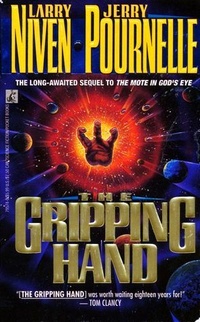
The Gripping Hand(Moties, Book 2)Larry Niven, Jerry PournelleThis book is very heavy on the social, political diplomacy side of things. Humans and the Moties must figure out a way to co-exist peacefully. Although it ends the Motie saga, this book definitely isn't as good as the first. Rating: 4/10 32 |
|
NeuromancerWilliam GibsonThis is the book that spawned the idea of the matrix. It is a pillar of the early cyberpunk genre. Unfortunately, I think the plot is all over the place, and the ending sequence was super confusing. This book was groundbreaking for the year it was written in (1984), but, for me, it was not an enjoyable read. Rating: 3/10 33 |
|
Ringworld(Ringworld, Book 1)Larry NivenThe Ringworld series was transformative science fiction for the time period it was written in, the 1970s, but I don't really think it has held up to modern works. The premise is that people have discovered a massive spaceship in the form of a ring which rotates around a star. A spaceship and crew are sent to investigate this mysterious world. When they arrive at the ring, they find that the original technologically advanced society that created the ring has perished, but there are so many things left to explore around the ring. Rating: 5/10 34 |
|
The Ringworld Engineers(Ringworld, Book 2)Larry NivenA space crew goes on an expedition to the surface of the Ringworld. They find many things left behind by the original Ringworld civilization, and they have to figure out a way to keep Ringworld from crashing into its star. Rating: 6/10 35 |
|
The Ringworld Throne(Ringworld, Book 3)Larry NivenTo read. 36 |
|
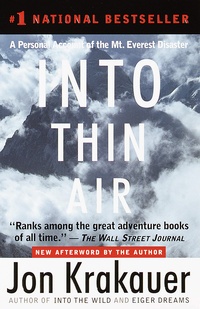
Into Thin AirJon Krakauer(Nonfiction) This is a fascinating, first-hand account of the deadliest season on Mt. Everest. An unfortunate coalescence of bad events ended up killing more climbers in a single year than ever before. This book explains the process of climbing to the summit, the people and personalities involved, and the struggles faced at the highest altitudes. The author wrote this for entertainment- it's not simply a dry account of mountaineering hardships. He plays up certain characters more than others and weaves the drama together to make it an enjoyable read. I highly recommend this book. Rating: 10/10 37 |
|
Foundation(Foundation, Book 1)Isaac AsimovThe core premise of the Foundation series is that the galactic government is ruled by a science called psychohistory. This scientific field was created by character Hari Seldon, and it uses math and statistics to predict future societal trends with perfect accuracy. Future predictions are recorded in a time vault that automatically opens when its prediction says to. When the vault is opened, a video explains how to solve whatever crisis is currently happening in the government. I don't really remember any of the plot of these books besides the future-predicting aspect of it. These were the first set of books I read when I returned to reading after college. I recall enjoying this series. Rating: 7/10 38 |
|
Foundation and Empire(Foundation, Book 2)Isaac AsimovThe rise of the Mule. Can the Foundation handle a creature that is unpredictable? Rating: 6/10 39 |
|
Second Foundation(Foundation, Book 3)Isaac AsimovAfter a struggle against the Mule, the Foundation tries to get back to its orignal founding principles. Rating: 6/10 40 |
|
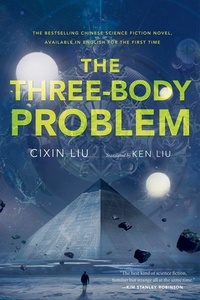
The Three-Body Problem(Remembrance of Earth's Past, Book 1)Liu Cixin, Ken Liu (Translator)One of the most interesting things about this book is that it is written by a Chinese author, so the writing style and themes are very different than western novels. I also went into this with no spoilers, and most of the book is a slow buildup to the explanation of what's actually going on and what the core conflict will be. This book is kind of just an intro for the more important second and third books of the series, but it has a good story nonetheless. Rating: 8/10 41 |
|
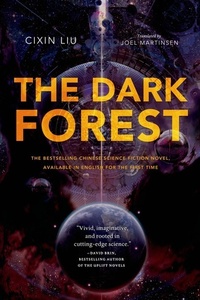
The Dark Forest(Remembrance of Earth's Past, Book 2)Liu Cixin, Joel Martinsen (Translator)This is the core book of the trilogy. The author lays out the philosophical, sci-fi themes he wants to explore, and then jumps right in. It is a very logical sequence of how to deal with certain sci-fi conflicts. It's also interesting that this book has a different translator, and the writing style is noticeably different than the first book. But I think the writing style actually matches the themes and the general vibe of this book well. Rating: 10/10 42 |
|
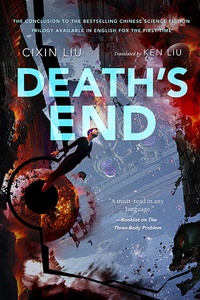
Death's End(Remembrance of Earth's Past, Book 3)Liu Cixin, Ken Liu (Translator)The Chinese culture of the author really seeps into this book. It is extremely realist- sometimes bad things just happen; in real life, the hero isn't magically saved; actions have logical consequences, whether they be good or bad; there is no redemption for foolishness. This book takes the sci-fi themes that were set up in the second book and takes them to their ultimate conclusions. Fantastic read. Rating: 9/10 43 |
|
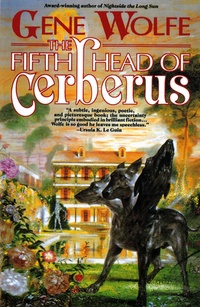
The Fifth Head of CerberusGene WolfeThis is a strange book. I think you have to read it multiple times to fully understand it. This is a collection of three short stories, where each story provides some information about the world. The stories are purposely written like puzzles where you have to figure out how they are connected. The first story is about a boy whose father is a doctor that performs psychological experiments on him. The second story is of a primitive hunter-gatherer group and their fight against the marshmen. The third story is of a man sitting in jail and how he got there. Rating: 6/10 44 |

|
Do Androids Dream of Electric Sheep?Philip K. DickThis book is the foundation for the Blade Runner movies, but it seems very different. The main character, a bounty hunter, is tasked with hunting down and killing androids that are blending in with humans in society. A neat part of the world building is that most real animals are extinct, so people keep robotic versions as pets. If you own a real animal, that is a very expensive status symbol. To me, the plot was confusing and hard to follow. Rating: 4/10 45 |
|
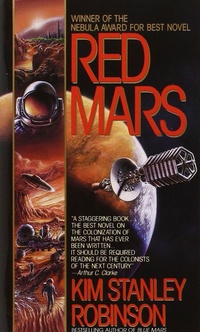
Red Mars(Mars Trilogy, Book 1)Kim Stanley RobinsonThis book is as dry as the Martian landscape that encompasses its story. The book is a bit outdated- it seeps with Cold War era themes of space exploration and the fight among the super-power countries. It also heavily stereotypes differences in cultures, where Americans are very different than the Russians and also very different than the Arabs. However, it is still a very interesting story. This seems like a scientifically accurate, logical explanation of how humanity would be as early colonizers of Mars. It follows a team of the first 100 scientists who make their home there. It's a bit of a slow read since the writing style can be densely descriptive at times. I learned many things about Mars colonization from this. Rating: 6/10 46 |
|
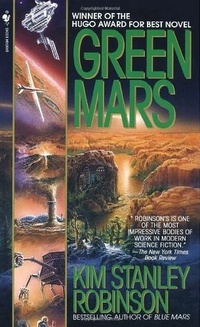
Green Mars(Mars Trilogy, Book 2)Kim Stanley RobinsonGreen Mars follows the planet Mars as more and more people arrive there to colonize it. Humans start to terraform the planet in an effort to make the atmosphere breathable and to be able to grow larger plants. The story describes the social issues that arise from this growing origin society, and the strife that occurs between the people of Mars and the people of Earth. Still a very dry, descriptive writing style, but you learn a lot. Rating: 6/10 47 |
|
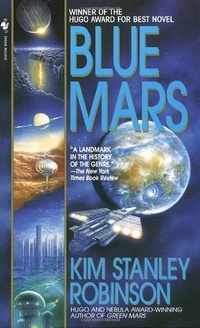
Blue Mars(Mars Trilogy, Book 3)Kim Stanley RobinsonTo read. 48 |
|
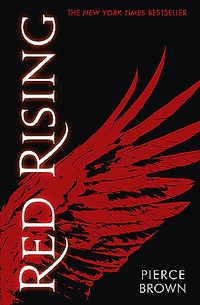
Red Rising(Red Rising Saga, Book 1)Pierce BrownThis story takes place in a world where humans are separated into different castes labeled by different colors. The Reds are at the bottom of society while the Golds are at the top. The Reds are being mistreated, and a young Red rebel rises up. This book did not go where I thought it was going to go. Once you get past the intro and learn what's actually happening, it becomes action-packed and a fast-paced read. I really enjoyed this one. Rating: 10/10 49 |
|
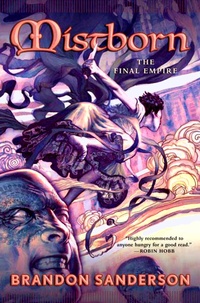
Mistborn: The Final Empire(The Mistborn Saga, Book 1)Brandon SandersonMistborn is such a great series. Sanderson creates captivating characters, a cool magic system, and an interesting plot. The premise of the magic system is that characters can ingest certain types of metal, and then they can consume the metal within their body to grant them magical abilities. People generally can only do this with one type of metal, but special outliers, known as Mistborn, are able to use all the metals. Rating: 10/10 50 |
|
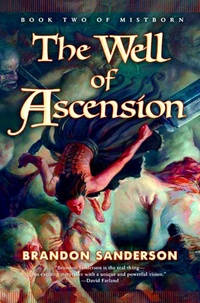
The Well of Ascension(The Mistborn Saga, Book 2)Brandon SandersonThe empire is in turmoil. Vin, Elend, and Sazed search for the Well of Ascension. Rating: 10/10 51 |
|
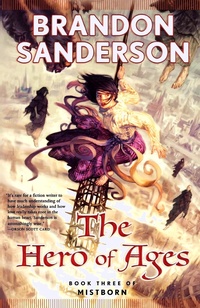
The Hero of Ages(The Mistborn Saga, Book 3)Brandon SandersonThe characters work to fend off the destruction of the world. This book has a great ending. Rating: 10/10 52 |
|
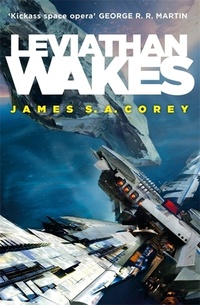
Leviathan Wakes(The Expanse, Book 1)James S.A. CoreyThis was a fun, modern sci-fi. Humanity has settled throughout the solar system, and there are battling political alliances between people living in the outer system versus closer to Earth. The story follows a detective who is tasked with finding a missing person. The case expands into a much larger adventure across the solar system. Rating: 7/10 53 |
|
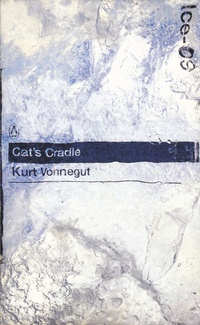
Cat's CradleKurt Vonnegut Jr.This is considered a sci-fi classic, but it hasn't aged well. It is good if you take into account when it was written (1963) and the themes it explores (cult-like religious society, global destruction from nuclear war), but it's not entertaining. The author invented an absurdist religion called Bokononism, and much of the book revolves around that. I did like the concept of the ice-nine substance, and the ending was cool. Rating: 3/10 54 |
|
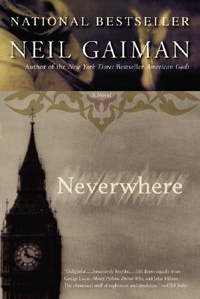
NeverwhereNeil GaimanI really liked this one. It has a cool blend of fantasy and magic in the setting of an alternate world in the London underground. It has great characters, an interesting quest for the protagonist, and a satisfying conclusion. Rating: 9/10 55 |
|
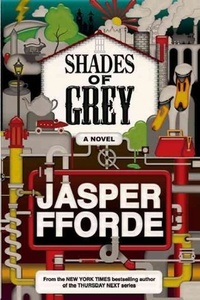
Shades of Grey(Shades of Grey, Book 1)Jasper FfordeThis book is about a society that is stratified by how a person sees color. People only have the ability to see one type of color, be it green, red, yellow, etc. The colors form a social hierarchy, where certain ones are placed at higher value than others. And within a person's color type, there is another hierarchy formed by how strongly they can see that color. A person who can see the entire range of the red spectrum is valued higher than a person who can only see a small portion of reds. I really liked this idea, and it led to an interesting story. Rating: 8/10 56 |
|
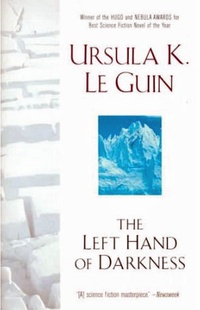
The Left Hand of DarknessUrsula K. Le GuinThis follows the story of a diplomatic envoy that is sent to a planet to try to convince the people there to join the galactic alliance. The inhabitants of the planet are unisex, except for one day a month where they morph into either a male or female form for purposes of reproduction. This unisex society developed much different social and political norms than regular humans. The envoy is tasked with learning about this culture. He goes on an adventure which leads to situations involving jail and having to make a trek across a harsh landscape. The criticisms of this book tend to focus on the strange sexuality of the people, but really the plot focuses on the personal struggles of the envoy and less so on the people. The envoy is the one having the hard time trying to gain inroads into this culture. Rating: 7/10 57 |
|
The Diamond AgeNeal StephensonAlso titled "A Young Lady's Illustrated Primer", this book follows two girls who are raised by an AI teaching assistant book that can sense things in their environment and come up with lessons in real-time. It's an interesting story to read, but the plot veers off in a strange way in the second half. There are also some gritty scenes of child abuse and rape. Rating: 6/10 58 |
|
Parable of the Sower(Earthseed, Book 1)Octavia E. ButlerI liked this. It's a good dystopian group survival novel. There's an addictive drug that makes humans go violently crazy, so people band together and live in communities to protect themselves from attacks. The story follows a main character as she attempts to fix and rebuild a decaying society. Rating: 7/10 59 |
|
ExhalationTed ChiangA collection of short stories about a variety of topics in the sci-fi universe. I thought that each story was very creative and unique. Here is a brief overview of the stories. A Middle-Eastern fabric merchant has a gateway that can travel forward/backward in time. Air-driven mechanical beings. Digital pets (digients) and the society they create. Being raised by an AI nanny. A world where Creationism actually happened. A device that allows you to communicate with another in a parallel universe. Rating: 6/10 60 |
|
ShantaramGregory David RobertsCrazy novel. This is a fictionalized version of the author's real life story. He was a prisoner in Australia who escaped and fled to Bombay, India. While in India, he became a doctor in the slums, joined the mafia, chased his love, and had other adventures. Lots of things happen in this story; some of the story arcs are over-the-top but still entertaining. The author definitely has main character syndrome, but it was still a fun read. Rating: 9/10 61 |
|
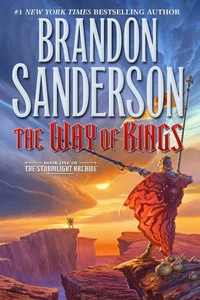
The Way of Kings(The Stormlight Archive, Book 1)Brandon SandersonSanderson's most ambitious series. Each book is 1000+ pages long with dozens of different characters spread across the planet Roshar. Very cool magic system involving storing magic energy in gemstones and various classes of magic with a ranking-up scheme. Also features creates called the spren from a parallel universe. This particular book focuses on the stories of Kaladin, Dalinar, Shallan, and Jasnah. Kaladin joins the Bridgemen, and Shallan tries to work for Jasnah. Rating: 9/10 62 |
|
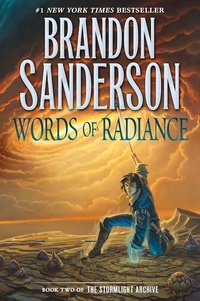
Words of Radiance(The Stormlight Archive, Book 2)Brandon SandersonThe characters converge on the Shattered Plains for the war against the parshmen. Rating: 10/10 63 |
|
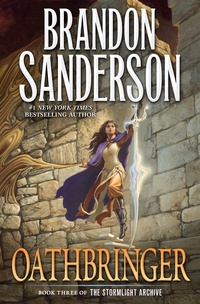
Oathbringer(The Stormlight Archive, Book 3)Brandon SandersonFurther development of the magic system, Dalinar's rocky past, battle to retake a city ruled by an Unmade, journey into Shadesmar, and epic battle against an enraged army. Rating: 10/10 64 |
|
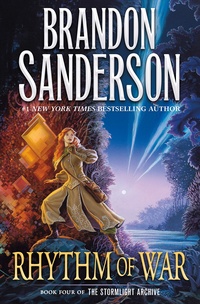
Rhythm of War(The Stormlight Archive, Book 4)Brandon SandersonMore insight into the singer/parshmen culture, the battle for Urithiru, another journey in Shadesmar, interactions with the gods. An unfortunate aspect of this book is that most of it is spent as a massive therapy session for characters struggling with depression and multiple personality disorder. A lot of that does seem to get resolved, but it got a bit tedious. Rating: 6/10 65 |
|
Wind and Truth(The Stormlight Archive, Book 5)Brandon SandersonTo read. 66 |
|
WarbreakerBrandon SandersonA standalone Sanderson novel, but it provides very important context about certain characters that play a role in the rest of the Cosmere novels. The story is about a princess who is forced to marry a king in order to achieve peace between their two warring nations. This book introduces a magic system, based around color, where you can imbue objects, bringing them to life with certain abilities. Fun read. Rating: 9/10 67 |
|
Eiger DreamsJon KrakauerA collection of mountaineering essays on various topics. This is a fantastic survey of different types of climbing and adventure sports. Climbing ice waterfalls in Alaska. What it's like being stuck living in a tent for weeks at a time while storms rage outside. The European climbing Mecca of Chamonix. Exploring the slot canyons of Utah. Going on a solo trek to a remote mountain in Alaska where you have to be flown in, hike across miles of glacier, and then solo climb a mountain in a way that has never been done before. Rating: 8/10 68 |
|
American GodsNeil GaimanI have no idea how a British author was able to so eloquently portray midwestern Americana. The story is a bit weird, and you'll miss a lot of context if you don't have a decent knowledge of ancient mythological figures. What's crazy is that the finale revolves around a meeting at Rock City, a popular tourist spot in Tennessee, and the author perfectly nails the vibe of this place. This book is strange but unique. Rating: 7/10 69 |
|
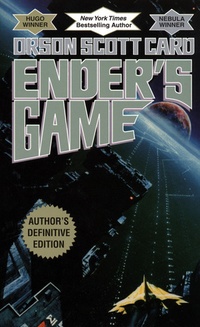
Ender's Game(Ender's Saga, Book 1)Orson Scott CardThis book was fine, but I think I would have enjoyed it more reading it as a teenager. It is definitely a competency porn book- the main character is a young boy who excels at pretty much everything and finds very creative ways to outsmart his space army cadet classmates. I really dislike the character of Ender's brother, Peter, who is a sociopath. The ending is good, but it does evoke the question of why are humans fighting this war in the first place? Rating: 5/10 70 |
|
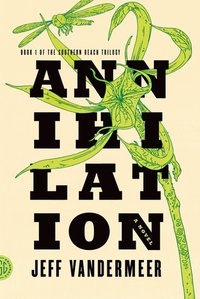
Annihilation(Southern Reach, Book 1)Jeff VandermeerFollows a research team that is sent out to investigae Area X, an uninhabited piece of land with strange, supernatural happenings. The research team is comprised of four women with different skill sets. Living in and exploring the mysterious area slowly twists the minds of the team members. This was pretty good. It's a chill, supernatural suspense novel. It reminds me of the early seasons of the TV show Lost. Rating: 6/10 71 |
|
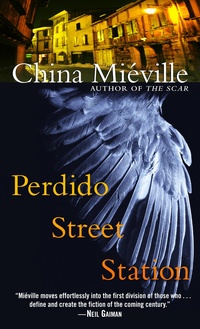
Perdido Street StationChina MievilleThis gets into the realm of the weird. The world is of a post-apocalyptic society that has been restored, but there is still significant social stratification. The inhabitants of the society are different creature races, not necessarily human. Cross-species mating is considered taboo, but the main character has this type of relationship. Very grotesque depictions of body mutilation and augmentation. The plot follows a giant bird creature who employs a scientist to help him regain his wings. Through this effort, creatures are released into the city that start to terrorize residents at night. The scientist must figure out how to rid the city of these horrors before everyone dies. Rating: 8/10 72 |
|
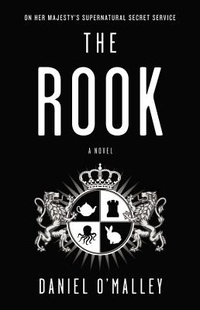
The RookDaniel O'MalleyThis book has a very unique premise where the protagonist knew she was going to have her memory wiped, so she left behind journals and messages to her future self so that she can regain her memories. The main character is a high member of a secret British organization where all the executive titles are the names of different chess pieces. Each character has some sort of magical power, and they use their powers to combat supernatural threats. There is a traitor in the organization which the main character has to snuff out. Rating: 8/10 73 |
|
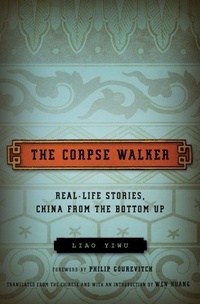
The Corpse WalkerLiao Yiwu(Nonfiction) This is a collection of interviews that the author performed with mostly Chinese peasants who lived from the 1950s to the 2000s. It depicts the absolute brutalness of the government under Mao, how the people of the society turned against the intellectual class, and the harsh reality of peasant life during that time period. In China, if a person died, they had to be buried in the town that they were born in or else it would bring terrible bad luck to the family. Many people moved away from their hometown and died elsewhere, so their bodies had to be transported back. Corpse walkers were people who tied dead bodies to their backs and transported, by walking the entire way, the body back to their hometown. This process often took weeks or even months, so there was an embalming process perfomed on the body so it wouldn't decay over the journey. Ironically, because these workers handled the bodies of the dead, they were considered untouchables and were outcasts of society. Rating: 6/10 74 |
|
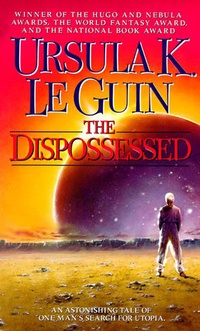
The DispossessedUrsula K. Le GuinThe setting for this book is a planet and a moon, both inhabited by humans. The planet is a traditional capitalist patriarchal society, while the moon is a seemingly utopian collectivist (everything is shared) society. The worlds are separate; there is no open travel of people across them. The story follows a representative from the moon society who becomes the first person to travel to the planet society. The author explores what would happen when a person raised in a society where everyone is equal and without money is moved into a completely opposite culture. Rating: 7/10 75 |
|
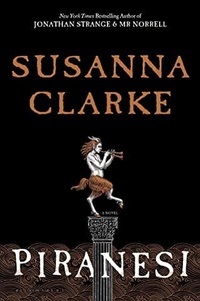
PiranesiSusanna ClarkeI really liked the setting of this book. It was enjoyable to visualize the environment in my head. The main character is stuck alone in a world comprised entirely of different rooms filled with Greek/Roman statues. The world is seemingly infinite, and the rooms are massive and have their own weather. The main character is somewhat primitive, and the story follows his friendship with a wizard-like character. Elegant, creative, clever story. Rating: 7/10 76 |

|
WildCheryl Strayed(Nonfiction) This is the first-person story of a woman who decided to hike the Pacific Crest Trail in the 1990s. The book is more about the author's life and less about the PCT in general. The author has some pretty infuriating characteristics that she knows are bad but does nothing to fix or improve her situation. It is still an extremely impressive feat- doing the PCT solo, woefully unprepared, in a time before smartphones with internet and GPS. Rating: 5/10 77 |
|
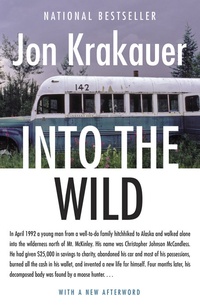
Into the WildJon Krakauer(Nonfiction) This follows Krakauer's attempt at researching the life and death of Chris McCandless, a young man who abandonded his conventional life to travel and live off the land. He ultimately ends up in Alaska, where he unfortunately dies after surviving alone for three months. Krakauer investigates the site of his death and all the evidence leading up to it, and he comes to a different conclusion on the cause of death. Rating: 7/10 78 |
|
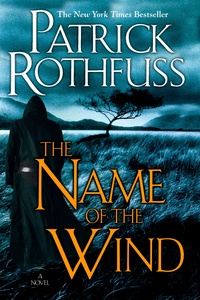
The Name of the Wind(The Kingkiller Chronicle, Book 1)Patrick RothfussThe story follows a young, gifted boy named Kvothe who goes to a university to learn magic. The story is told from the perspective of his older self looking back on his youth. It's kind of like a darker, more adult version of Harry Potter. The plot is very good. Kvothe has to overcome many difficult situations. There's a big vibe of competency porn. Rating: 9/10 79 |
|
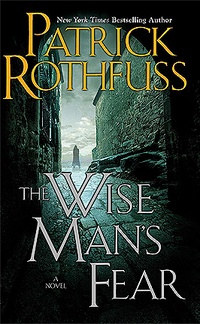
The Wise Man's Fear(The Kingkiller Chronicle, Book 2)Patrick RothfussKvothe continues going to the university and getting into shenanigans. In the second half of the book, Kvothe leaves the university to travel and gain more life experiences. Some of the stories in the second half really go off the rails and just read like fanfiction. But, overall, still a very entertaining story. Unfortunately, this is only the second book of a supposed trilogy. But fans have been waiting 15 years for the third book, and there is no indication that it is anywhere close to being done. I think that the author should just break it into four total books instead of trying to cram the conclusion into the third. Rating: 8/10 80 |
|
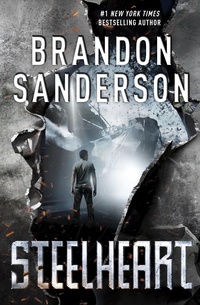
Steelheart(The Reckoners, Book 1)Brandon SandersonSanderson's Reckoners series is just fast-paced, entertaining, and fun. The premise is that some human beings are waking up with superhero powers, but the twist is that they use their powers for evil and control. The world has been fractured into territories ruled by these people, known as Epics. The story follows a team, called the Reckoners, that tracks down Epics and tries to eliminate them. This book takes place in the area around Chicago, where many people have taken to living underground. Rating: 9/10 81 |
|
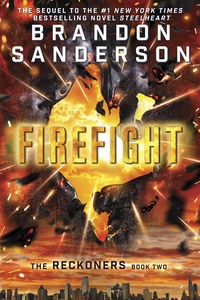
Firefight(The Reckoners, Book 2)Brandon SandersonThe Reckoners visit the flooded city of Manhattan. Very cool use of technology and powers in a water-based environment. Rating: 9/10 82 |
|
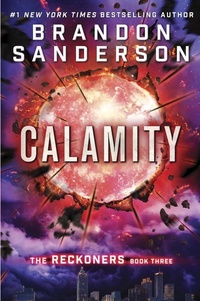
Calamity(The Reckoners, Book 3)Brandon SandersonThe Reckoners go to the ever-moving city of Atlanta. This book finishes the original Reckoners trilogy story arc. Overall, a great read. Rating: 9/10 83 |
|
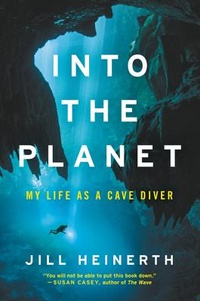
Into the PlanetJill Heinerth(Nonfiction) This is a look into the crazy world of cave diving. The author goes through the story of her life and of becoming a world-renowned cave diver. She does dangerous dives all over the world while testing out new diving technology and mapping unexplored places. She goes on this crazy dive underneath icebergs in Antarctica. There are fast water currents that can trap you under the ice. The ice is constantly melting and changing shape, so your passage in can become blocked and you'll have to find another way out. The author shows first-hand the dangers of cave diving and why it is considered the deadliest sport on the planet. Rating: 7/10 84 |
|
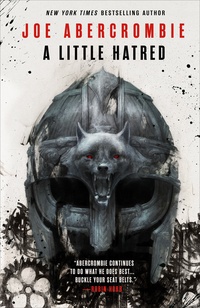
A Little Hatred(The Age of Madness, Book 1)Joe AbercrombieThis was the first Joe Abercombie book I read, and I can see why he is such a popular author. The writing style is adult but reads smoothly. The themes are realistic depictions of what happens in war and societal strife between the rich and the poor. This particular series is a sequel to another series that he wrote, but I haven't read the first series. However, this was designed as a standalone series, so you can read it without having read the prequel books. I don't really feel that I missed anything important by not reading the prequel series. There is some back story of certain characters that would be good to know, but you eventually learn about it later anyways. Rating: 9/10 85 |
|
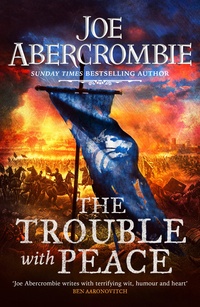
The Trouble with Peace(The Age of Madness, Book 2)Joe AbercrombieMost of the book is spent following the political maneuvering and conversations between characters. The last quarter is all action and has a very satisfying ending. This is a very realist take; there's not a lot of plot armor here. Pretty good. Rating: 7/10 86 |
|
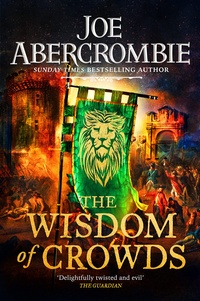
The Wisdom of Crowds(The Age of Madness, Book 3)Joe AbercrombieTo read. 87 |
|
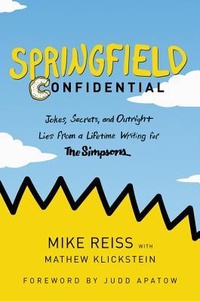
Springfield ConfidentialMike Reiss(Nonfiction) The author has been a writer on The Simpsons for over twenty years. He gives a behind-the-scenes account of how the show started, the writing process in the early years, and how the show has changed over time. The book isn't funny at all, but I still learned some interesting things. The average episode takes 9+ months to create from concept to full animation. The average script goes through 50 revisions from first draft to the final televised version. Writers generally don't have any personal ownership over the jokes they come up with because they are changed many times throughout the process, without even their knowledge. The author talks about how he doesn't even know which of his jokes make it into the episode until it airs. Overall, this book is a decent read for Simpsons fans. Rating: 5/10 88 |
|
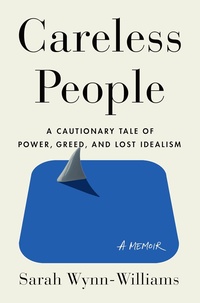
Careless PeopleSarah Wynn-Williams(Nonfiction) Wow, what a book! This is an insider's story about her time at Facebook. The author was a head of global policy around the time when Zuckerberg was trying to spread Facebook all over the world. She arranged meetings between Zuck and heads of state of many foreign countries. She flew on his private jet often, usually sitting directly across from him. She tells the story of the ruthless tactics Facebook employed to get into nations all across the world. She sheds light on the internal culture of the executive team and their thirst for power. The author does try to downplay her role in all of this, but it is her memoir, so she's obviously going to do this. Though, it doesn't really detract from the inside secrets that she reveals. Rating: 10/10 89 |
|
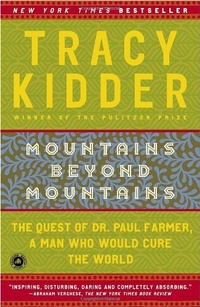
Mountains Beyond MountainsTracy Kidder(Nonfiction) This is an interesting book about a Harvard medical doctor who has dedicated his entire life to taking care of the poorest communities in Haiti and other parts of the world. He was the man who came up with the current method of treating multiple drug resistant tuberculosis in poor countries. He showed the world that it was worth spending the money on expensive tertiary drugs to treat TB in poor regions. If you let it fester, that drug resistant strain will only spread and will cost way more to fix later. I learned a lot about how nonprofit health organizations operate and the struggles they face as they try to fix the major health issues in poorer countries. I enjoyed having an insight into the life of a man who has devoted his every waking hour to his mission. Rating: 6/10 90 |
|
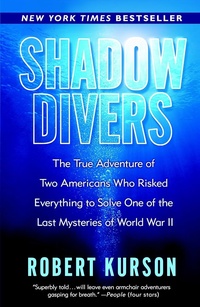
Shadow DiversRobert Kurson(Nonfiction) This book follows a group of deep sea divers as they try to uncover the secrets of a WW2 German submarine that was found off the coast of New Jersey. These divers discover a destroyed submarine 230ft underwater in the ocean, and they spend the next few years trying to figure out the exact name of the boat. Because the boat has been underwater for so many years, most of the identifying markings have worn off. It is an extremely dangerous shipwreck to dive, causing troub for even the most experienced of divers. Rating: 8/10 91 |
|
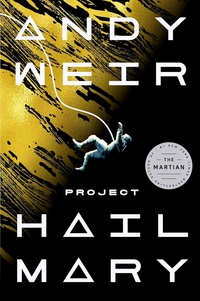
Project Hail MaryAndy WeirScientists on Earth have discovered that something is siphoning energy from the Sun, and they need to figure out how to stop this before it leads to the destruction of Earth. They assemble a space crew to fly off to a faraway galaxy to gather research to hopefully fix the problem. Entertaining, easy read. The science in this book is very well done. Rating: 8/10 92 |
|
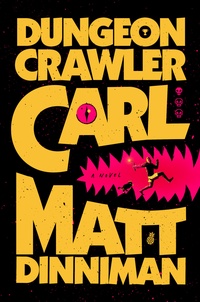
Dungeon Crawler Carl(Dungeon Crawler Carl, Book 1)Matt DinnimanThis is a fast-paced, wacky RPG adventure in a book. The premise is that aliens have come to Earth and have transformed the planet into a multi-level dungeon game show. In order for humanity to survive, the humans must survive and clear the dungeon. This is a video game inside of a book- the characters unlock achievements, level up skills, and get loot boxes and other rewards. This is just the first book in a long series, but I'll definitely be reading the others. It's just a fun read, and I can see why it's so massively popular. Rating: 9/10 93 |
|
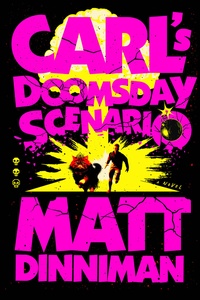
Carl's Doomsday Scenario(Dungeon Crawler Carl, Book 2)Matt DinnimanAnother fun, fantastic read. The heroes have reached level 3 of the dungeon, which unlocks race and class choices. This level also unlocks questlines and elite level NPCs. This book covers two main storylines- the corrupted circus and the skyfowl settlement. The ending is a wild ride. Rating: 9/10 94 |
|
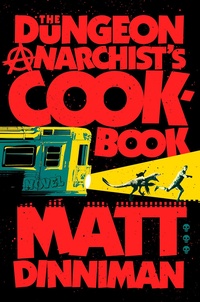
The Dungeon Anarchist's Cookbook(Dungeon Crawler Carl, Book 3)Matt Dinniman"This book is about the fourth floor of the dungeon- a massive, confusing, train/subway-themed puzzle. I initially wasn't a fan of the setting, but it grew on me as the story went on. And, wow, what a story this one was! Great cast of characters, cool upgrades, plot twists all along the way, and an epic conclusion. I thought the second book was great, but the story of this one is at least a tier above. Warning: this one has many crass jokes and an excessive amount of gore." Rating: 10/10 95 |
|
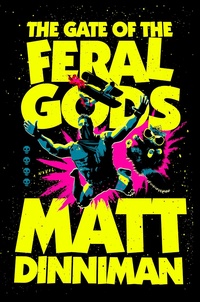
The Gate of the Feral Gods(Dungeon Crawler Carl, Book 4)Matt DinnimanThe party tackles the fifth floor of the dungeon. Even though there were hints in the previous book about this being more of a small group challenge, it ends up involving lots of new characters. The second half of this book goes completely off the rails. The story scales massively and there are many wacky moments. Another good read. Rating: 8/10 96 |
|
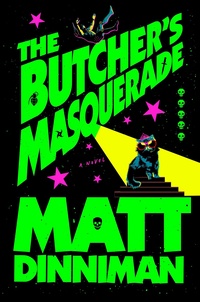
The Butcher's Masquerade(Dungeon Crawler Carl, Book 5)Matt DinnimanThe battle of the Hunting Grounds (6th floor) begins. Outside aliens, known as hunters, are brought into the dungeon to find and kill the crawlers. This book is action-packed from the very start, and the ending is insane. Rating: 9/10 97 |
|
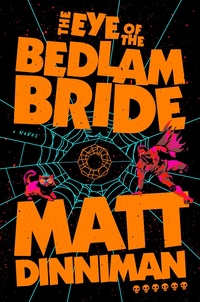
The Eye of the Bedlam Bride(Dungeon Crawler Carl, Book 6)Matt DinnimanThe crawlers tackle the memory ghost 8th floor. I liked the floor concept of TCG cards and how it used real world locations as the setting. Again, the author ramped it up to eleven in the last third of the book. Crazy, crazy, crazy ending sequence. Also does a great setup for the next massive story arc- Faction Wars. Rating: 10/10 98 |
|
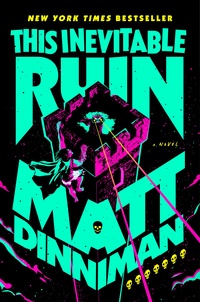
This Inevitable Ruin(Dungeon Crawler Carl, Book 7)Matt DinnimanFaction Wars (floor 9). The last few preceeding books have all been building up to this story arc. And, boy, did this not disappoint. Crazy from start to finish. It has all of the characters that you want to see, the scale is massive, and you get to cool stuff from other crawlers besides Carl. Great book. Rating: 10/10 99 |
|
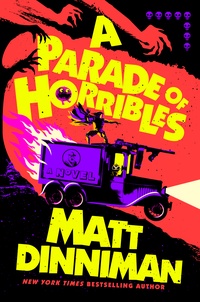
A Parade of Horribles(Dungeon Crawler Carl, Book 8)Matt DinnimanDeath races (floor 10). This was definitely a filler book connecting the craziness of Faction Wars to the upcoming conclusion of the entire series. Theres a lot of exposition in this book as the author is trying to give the reader all the info they will need for what happens in the next book. There were some good twists in this one, but it was a less entertaining story overall than some of the other books. Rating: 7/10 100 |
|
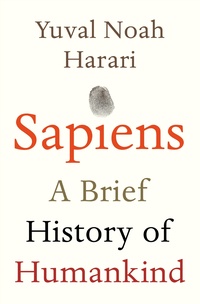
SapiensYuval Noah Harari(Nonfiction) This was a very thought-provoking book. It goes through the history of humanity, starting in the prehistoric age, then through agriculturalization, globalization, and finally the Scientific Revolution. It explains the nature of humans and why we create the social systems that we do. Rating: 8/10 101 |

|
More Than RivalsKen AbrahamI read this because my friend Stephen's mom was trying to make a movie based on this story. The book is about two boys who become friends through playing basketball during the middle of the Civil Rights era in the US. One boy goes to the all-white school, and the other goes to the all-black school. They end up competing against each other in a championship game. I can see this being a good, inspiring young adult story. Rating: 5/10 102 |
|
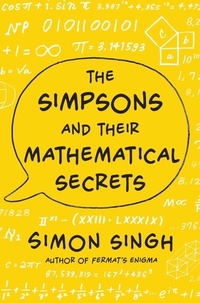
The Simpsons and Their Mathematical SecretsSimon SinghThis book explains how many of the writers for The Simpsons and Futurama all have advanced degrees in mathematics or physics. The writers cleverly embed mathematical references in jokes and the plot of the episodes. The book highlights and explains the concepts behind these easter eggs. Rating: 5/10 103 |
|
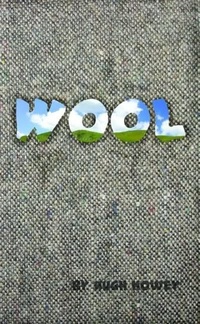
Wool(Silo, Book 1)Hugh HoweyThe Silo series is great! The characters are phenomenal, the setting is unique, and the writing style is easy to read. Humanity has gone through an apocalyptic event, and the last remaining humans are stuck living in a giant silo underground. The silo has 100 floors and a strict governing hierarchy. The story follows several characters as secrets of the silo are slowly revealed. Rating: 10/10 104 |
|
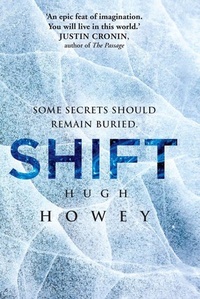
Shift(Silo, Book 2)Hugh HoweyThis book provides history on the creation of the silo and what led to the apocalyptic event that wiped out humanity. Rating: 8/10 105 |
|
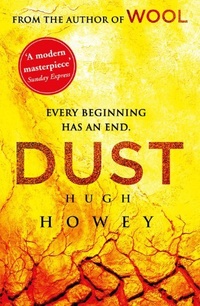
Dust(Silo, Book 3)Hugh HoweyThis book concludes the Silo trilogy. Overall, a fantastic read. Rating: 10/10 106 |
|
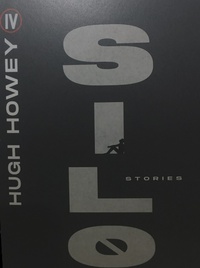
Silo Stories(Silo, Book 4)Hugh HoweyThis is just two short stories that completely end the original Silo series and also set up an expanded world for potential future books. You can consider the ending of the third book to be the real ending, and this is just a "here's what happens after the fact" story. It is a logical, but not necessarily pleasant, conclusion. Rating: 5/10 107 |
|
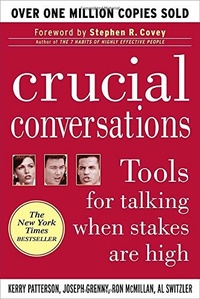
Crucial ConversationsKerry Patterson, Joseph Grenny, Ron McMillan, Al Switzler(Nonfiction) This book is a summary of the lessons learned after spending years observing how different people handle difficult conversations, be it at work or home. These types of conversations are characterized as ones where emotions run high and the stakes are real. It offers concrete ways of getting better results from these types of talks. It describes how to handle people getting defensive, how to say things without offending and alienating your audience, and more. I feel like this book was very wordy. The authors could have simplified the language and probably made it half its size without losing anything. The second half of the book offered good practical advice, while the first half was mostly setup. Rating: 5/10 108 |
|
On Managing PeopleHarvard Business ReviewTo read. 109 |
|
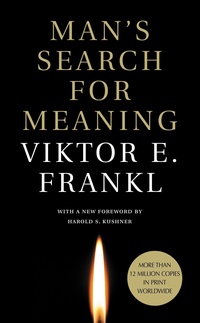
Man's Search for MeaningViktor Frankl(Nonfiction) This is the author's account of his survival of a Nazi concentration work camp. The author was a prison doctor and came up with a new philosophy for living after having seen the horrors of a concentration camp. The author noticed a pattern among the men who died versus those who managed to survive the extremely harsh conditions. The men who survived were the ones who had something to live for in the future. The ones who died were the ones who had given up. Once you reach a level of hopelessness where you give up, the body also gives up. This is really the only lesson I got from this book. Rating: 4/10 110 |
|
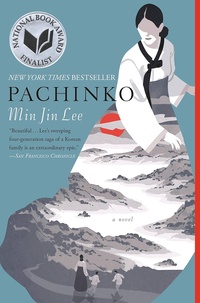
PachinkoMin Jin LeeThis is a historical fiction story of four generations of a Korean family that immigrates to Japan around the time of WW2. It follows the lives of the members of the family for 80 years, starting as Korean peasants to eventually establishing a better life in Japan. This book tackles many topics such as being an immigrant in an extremely anti-immigrant society, the fuzzy line between honor and stubbornness, and the duties and expectations of being a woman versus being a man. This book had great characters- Sunja, Baek Isak, Hansu, Noa, Mozasu. The book does a great job of immersing you in the environment and building the society around the characters. The last third of the book was a roller coaster of happenings. Rating: 9/10 111 |
|
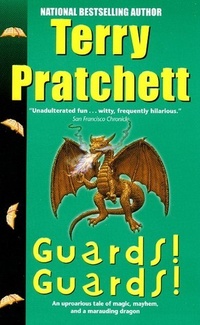
Guards! Guards!(Discworld, Book 8)Terry PratchettThe story of a rag-tag group of city guards who have to deal with a dragon threat to the city. Incredibly witty prose. Light-hearted and fun story. This was entertaining. It is part of the Discworld series, but you don't need any prior knowledge of the universe and can be read as a standalone. Rating: 7/10 112 |
|
The War of ArtSteven PressfieldTo read. 113 |
|
The Shadow of What Was Lost(The Licanius Trilogy, Book 1)James IslingtonTo read. 114 |
|
RecursionBlake CrouchTo read. 115 |
|
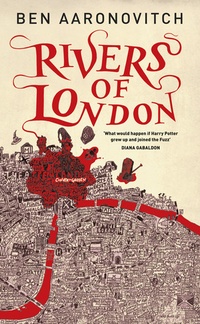
Rivers of London(Rivers of London, Book 1)Ben AaronovitchTo read. 116 |
|
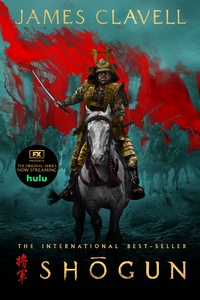
ShogunJames ClavellTo read. 117 |
|
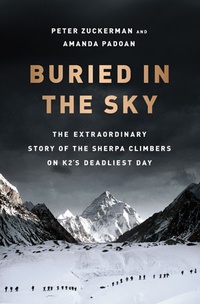
Buried in the SkyPeter Zuckerman, Amanda PadoanTo read. 118 |
|
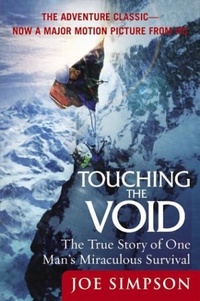
Touching the VoidJoe SimpsonTo read. 119 |